On June 1st, 2026, Earth Law Center community members and supporters gathered to open the Thomas Berry Law Library in its newly renovated headquarters. The library is named after Berry, a cultural historian and self-described “geologian” who spent his life teaching that the Earth is not a collection of objects but a communion of subjects. His visionary work laid the philosophical foundation for the Rights of Nature movement and the work of Earth Law Center, and the opening coincided with the 17th anniversary of his passing.
ELC, the Center for Whale Research, and Orca Network on June 2, 2026 filed their opening brief in Clallam County Superior Court challenging Washington State Department of Natural Resources’ approval of the Parched and Tree Well timber sales in the Elwha River watershed. The Parched sale gained national attention last year after a 40 day tree-sit intended to save the forest. The groups are asking the court to invalidate the sales, which - if allowed to move forward - would clear-cut nearly 400 acres of century-old legacy forest in one of Washington's most ecologically and culturally significant watersheds.
Earth Law Center (ELC), an international nonprofit dedicated to giving Nature a voice in the legal system, has opened a London office in tandem with the incorporation of a UK entity,marking a major milestone in the organization’s growth. The London office is based in Soho at Kanaloa House, a philanthropic workspace dedicated to planetary health—in particular, ocean health—through unexpected collaborations and accelerated action. ELC will support European initiatives and ocean-focused campaigns to protect coral reefs, cetaceans, and deep-sea ecosystems.
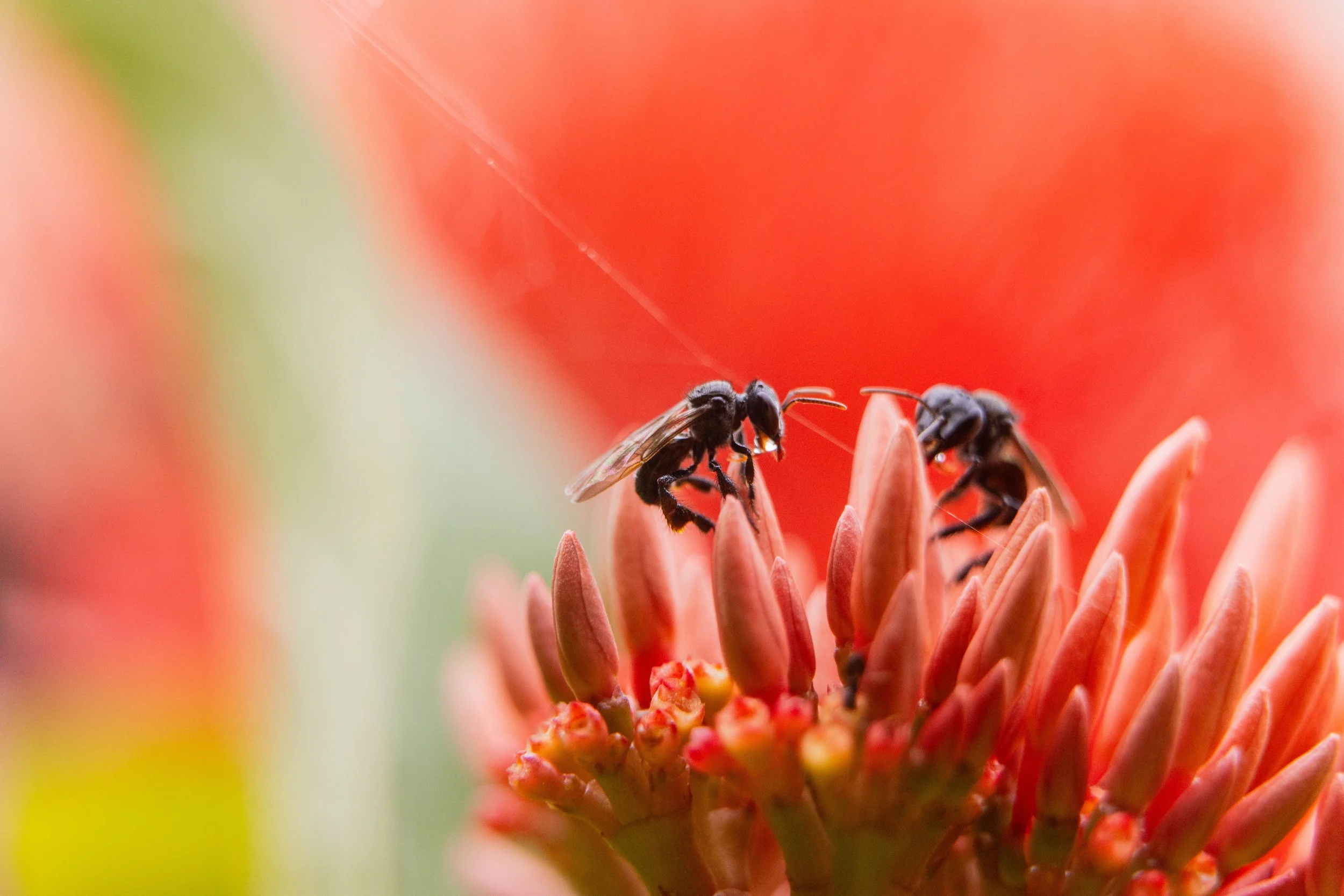
In an unprecedented legal development, the Provincial Municipality of Satipo, Peru has approved Municipal Ordinance No. 33-2025-CM/MPS, which grants legal rights to native stingless bees within the Avireri VRAEM Biosphere Reserve. These insects—the oldest bee species on the planet, and which are responsible for pollinating over 80% of Amazonian flora, including globally cherished crops like coffee, chocolate, avocados, and blueberries—are now formally recognized as beings with inherent rights. This is the first formal recognition of rights for an insect in history, a revolutionary step in protecting Peru’s biodiversity and biocultural heritage.
En un precedente sin equivalentes a nivel mundial, la Municipalidad Provincial de Satipo aprobó la Ordenanza Municipal N° 33-2025-CM/MPS, que otorga derechos legales a las abejas nativas sin aguijón dentro de la Reserva de Biosfera Avireri VRAEM. Estos insectos —la especie de abeja más antigua del planeta y responsables de polinizar más del 80% de la flora amazónica, incluidas cosechas apreciadas a nivel mundial como el café, el chocolate, los aguacates y los arándanos— son ahora reconocidos formalmente como seres con derechos inherentes. Se trata del primer reconocimiento formal de derechos a un insecto en la historia, un avance revolucionario en la protección de la biodiversidad y del patrimonio biocultural del Perú.
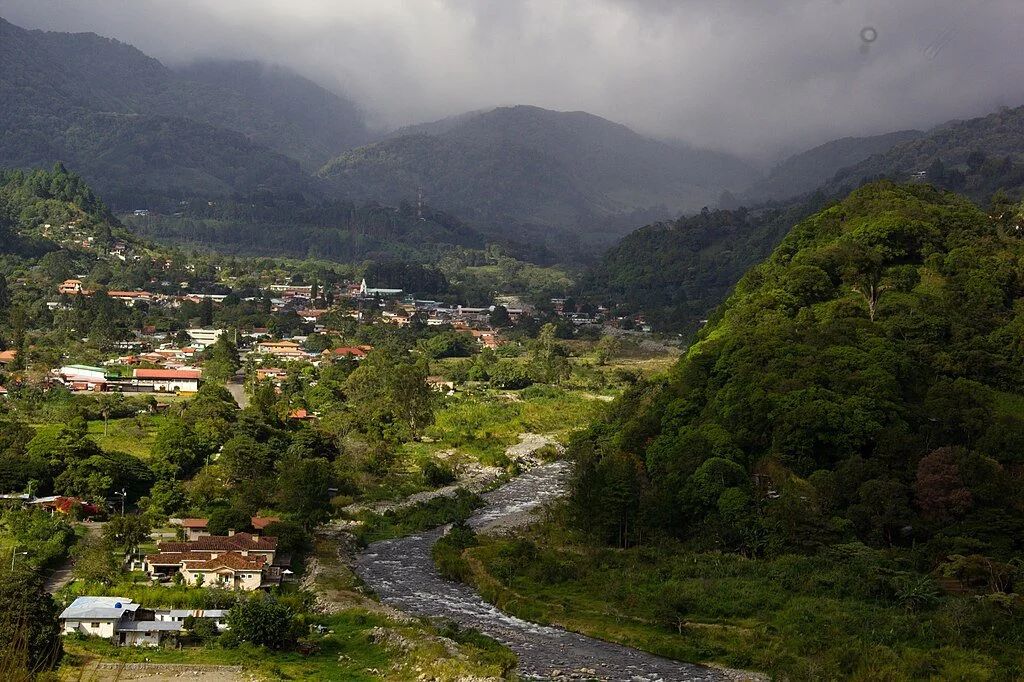
Panama’s Law 287, a national Rights of Nature law that received technical and scientific support from Earth Law Center, The Leatherback Project, and other organizations, is among the 8 winners of this year’s World Future Policy Award. The law, passed in 2022, incorporates Nature’s rights to exist, persist, and regenerate its life cycles; to timely and effective restoration; and to the preservation of its water cycles. The award, chosen out of 41 nominations from 21 countries, positions Panama at the forefront of the Rights of Nature movement. It validates the country's pioneering approach and encourages other nations to follow this path, strengthening a global legal movement that seeks to redefine our relationship with the natural world for future generations. The winning policies for 2025 set new global benchmarks by showing how legal systems can be transformed into future-just frameworks – and thereby contributing to the well-being of all living beings on Earth, as well as future generations.
La Ley 287 de Panamá entre las ganadoras: Las ocho políticas ganadoras de este año establecen nuevos puntos de referencia a nivel mundial al mostrar cómo los sistemas jurídicos pueden transformarse en marcos equitativos para el futuro, contribuyendo así al bienestar de todos los seres vivos de la Tierra y a las Generaciones Futuras.
Earth Law Center respects your privacy. We use cookies to improve your experience, understand how our resources are used, and support our mission of advancing legal rights for nature. By clicking "Accept All", you consent to our use of cookies in alignment with our environmental values.
These cookies are essential for the website to function properly.
These cookies allow the website to remember choices you make and provide enhanced functionality.
These cookies help us understand how visitors interact with the website.
These cookies are used to track visitors across websites to display relevant advertisements.
Detailed Cookie Information
Name
Provider
Purpose
Expiry
Type
session
squarespace.com
Preserves user session state
Session
HTTP
CSRF-TOKEN
squarespace.com
Security token to prevent cross-site request forgery
Session
HTTP
user_preferences
earthlawcenter.org
Stores user preferences selected in cookie banner
1 year
HTTP
_ga
Google
Google Analytics 4 cookie used to distinguish users
2 years
HTTP
_ga_*
Google
Google Analytics 4 cookie used to persist session state
2 years
HTTP
_gid
Google
Google Analytics cookie that stores and updates a unique value for each page visited
24 hours
HTTP
_gat_gtag_*
Google
Google Analytics cookie used to throttle request rate